

(252) 355-9191
REQUEST SERVICE

REQUEST SERVICE

    Need Assistance For:

    Month: April 2026

    What’s Considered a Plumbing Emergency?

    Posted on
    plumbing, plumbing emergency, plumbing issues, plumbing troubleshooting, north carolina plumber

    It always seems to happen at the worst possible time – late at night, during a holiday, or right before guests arrive. A strange noise, water where it shouldn’t be, or a smell that makes you stop in your tracks. Suddenly you’re asking yourself: Is this a plumbing emergency… or can it wait? Let’s discuss the key things that indicate you need to call a plumber ASAP.

    What Actually Counts as a Plumbing Emergency?

    A good rule of thumb: if it can cause damage to your home, create a health risk, or stop essential plumbing from working, it’s an emergency. Here are the most common situations where you should call for help right away:

    1. Burst or Major Leaking Pipes

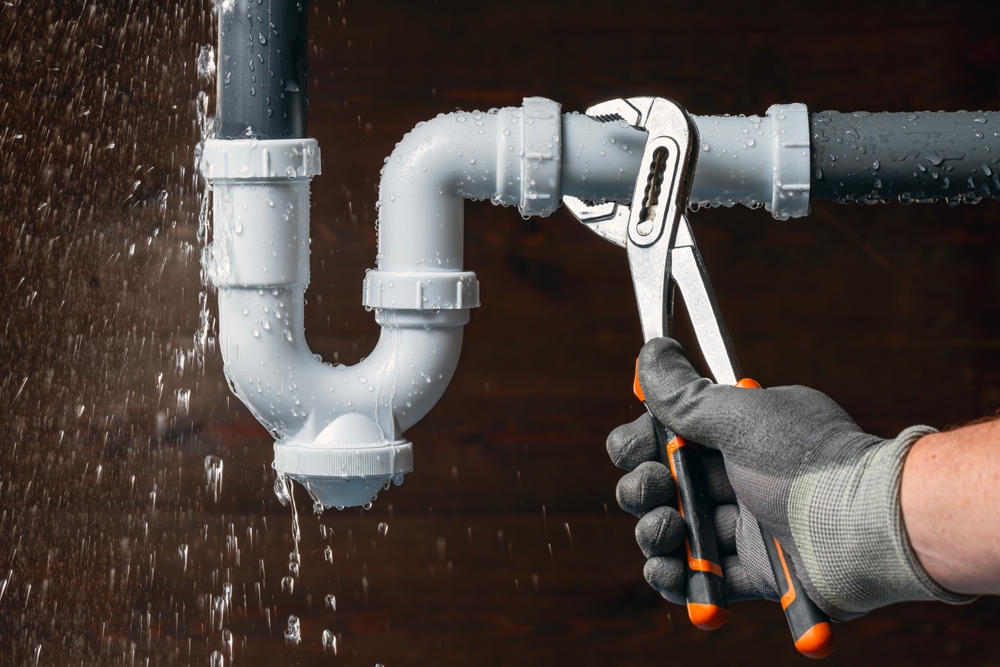
    If water is actively pouring out or a pipe has burst, that’s an emergency – no question. Even a steady leak can cause serious damage fast, including warped floors, ruined drywall, and mold growth.

    What to do: Shut off your main water valve if you can and call a plumber immediately.

    2. Sewage Backups

    If sewage is backing up into your drains, tubs, or toilets, this is more than just gross… it’s a health hazard. Sewage contains bacteria that can make people sick and should never be ignored.

    What to do: Avoid using water and call a professional right away.

    3. No Water At All

    If you suddenly lose water and it’s not a city-wide outage, something is wrong. No running water affects drinking, bathing, and sanitation, which makes it an emergency.

    4. Overflowing or Non-Stop Running Toilets

    A toilet that won’t stop running or is overflowing can waste a huge amount of water and cause flooding fast. If plunging doesn’t solve it, it’s time to call in help.

    5. Water Heater Issues

    No hot water isn’t always an emergency, but a leaking water heater or signs of overheating definitely are. Puddles, strange noises, or rusty water can mean the unit is failing.

    6. Frozen Pipes

    Frozen pipes are emergencies because once they thaw, they can burst – often without warning. If you suspect frozen pipes, don’t wait.

    What’s Not Usually an Emergency?

    Some plumbing problems are inconvenient but usually safe to wait until regular business hours, like:

    • A slow-draining sink or tub
    • A dripping faucet
    • Low water pressure (without leaks)
    • A running toilet that still functions and isn’t overflowing

    That said, if you’re unsure, it’s always better to ask. What starts as “minor” can turn serious quickly.

    When in Doubt, Trust Your Gut

    If you’re worried about water damage, safety, or sanitation – it’s worth the call. Plumbing emergencies don’t just fix themselves, and waiting can often make the problem more expensive to repair.

    A quick phone call can save your floors, walls, and peace of mind.

    Contact Advance Mechanical if You’re Having a Plumbing Emergency in Pitt, Beaufort, and Lenoir Counties

    If you’re dealing with a plumbing issue and aren’t sure what to do next, reach out to your trusted local plumber – Advance Mechanical. Whether it’s a true emergency or something that can wait, getting professional advice early can make all the difference. Contact us today! We proudly service the towns of Greenville, Washington, Winterville, Chocowinity, Bath, Farmville, Grimesland, Kinston, La Grange, Deep Run, and Pink Hill.
    The Link Between HVAC Efficiency and Monthly Energy Costs

    Posted on
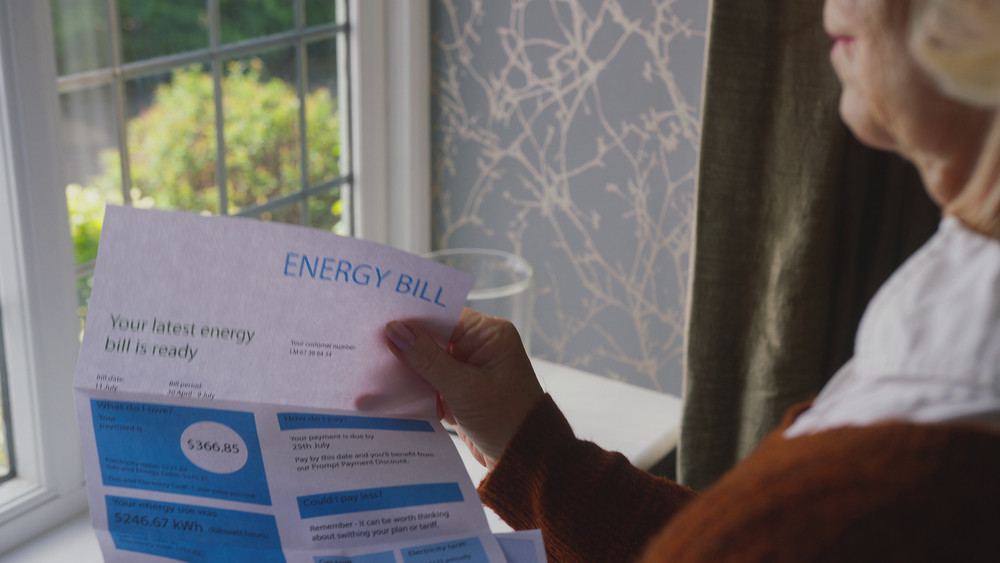
    Homeowner reviewing high energy bill due to heating repair needs

    As temperatures fluctuate throughout the year, homeowners increasingly rely on their HVAC systems to maintain comfortable indoor environments. Let’s explore how enhancing HVAC efficiency can lead to substantial savings on energy bills, while also reducing environmental impact. Addressing small issues early with professional heating repair services can also prevent larger efficiency problems from developing over time.

    How Inefficiency Drives Up Energy Bills

    HVAC systems account for a significant portion of energy consumption in the average household. When these systems operate inefficiently, they consume more energy than necessary, leading to higher monthly energy costs. Regular maintenance, along with timely repair, can greatly improve HVAC efficiency by reducing strain on the system. According to Workyard, U.S. consumers spend more than $10 billion annually on HVAC repairs and maintenance, underscoring the financial impact of an inefficient system. Investing in consistent care helps homeowners avoid unexpected breakdowns and excessive utility bills.

    The Role of Routine Maintenance and Heating Repair

    One of the primary contributors to HVAC inefficiency is a lack of proper maintenance. Components within an HVAC system, such as filters, coils, and fins, require regular cleaning and replacement to function optimally. When these elements are neglected, the system has to work harder to achieve the same level of performance, leading to increased energy use and higher bills. Scheduling regular professional check-ups and repair services can detect issues early, keeping the system as efficient as possible and preventing more costly repairs down the line. Preventative care not only extends system lifespan but also maintains consistent indoor comfort.

    Upgrading to Energy-Efficient Systems

    In addition to routine maintenance, upgrading to a more energy-efficient HVAC system can be a wise investment for homeowners. Modern HVAC units are designed with advanced technology that not only provides better climate control but also optimizes energy usage. While the initial cost of an upgrade can be daunting, the long-term savings on energy bills and potential tax incentives make it a financially sound decision. Pairing a new system with occasional heating repair ensures peak performance and maximizes your return on investment.

    Efficient HVAC systems play a crucial role in reducing energy bills and minimizing the environmental footprint of a home. By prioritizing regular maintenance, scheduling repairs when needed, and considering upgrades to energy-efficient models, homeowners can reduce the financial strain of their energy expenses. As awareness about the financial and environmental benefits of HVAC efficiency grows, more consumers are likely to make these smart investments in their home systems. If you’re interested in learning more about heating repair, contact Advance Mechanical today.